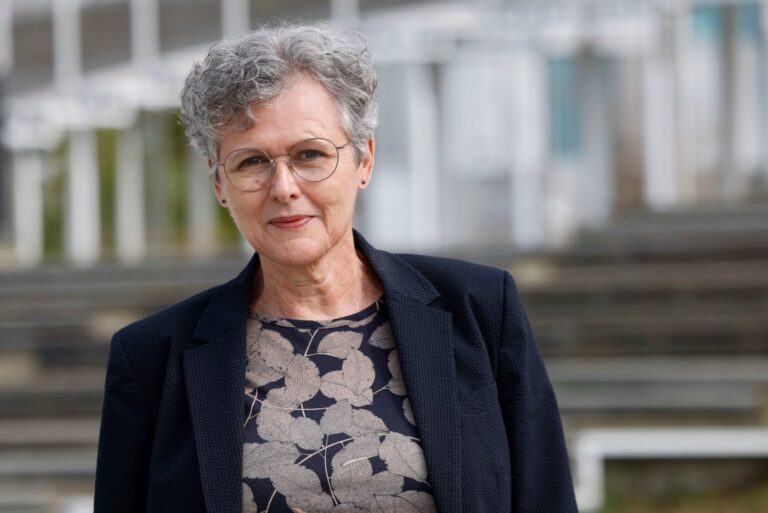
Karen Scrivener appointed to United Nations SDG group
Karen Scrivener has been selected by the United Nations Secretary-General for the Group of Ten High-level Representatives of Civil Society, Private Sector and Scientific Community to Promote…Lire la suite

Our Research
Find out more on the many good reasons why concrete is so widely used all over the world.

Cement & Concrete
Our research involves some of the most exciting fields in the development of cement and concrete.

Achievements
Over the past decade our research formed the basis for innovation used on a daily basis.
In Motion
Learn more and Nanocem, Our research, projects as well as cement and concrete. View all.
Nanocem Nanoscience for Sustainable Cement and Concrete
Nanocem 10th Anniversary, Barbara Lothenbach
Nanocem 10th Anniversary, Peter McDonald
Partners